
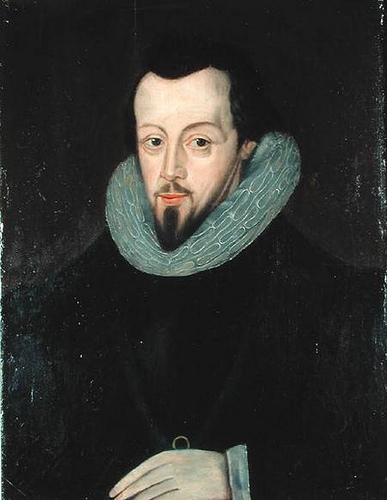
Sir Robert Cecil was born on 1 June 1563 to William Cecil, 1st Baron of Burghley and his second wife Mildred Cooke Cecil. He completed his education from St. John’s College, Cambridge University. In the Elizabethan era, he became the Secretary of State in 1590 and the leading minister after the death of his father in 1598.
Sir Robert Cecil Biography
Contents
He served both Queen Elizabeth and King James, though for the greater part of his career he served as spy master to King James. He was granted the title of Baron Cecil of Essendon in 1603, then he has again titled the Viscount of Cranborne in 1604 and finally, he was raised to the Earl of Salisbury in 1605.
The Bye and Main plots brought Cecil to the forefront in 1603. The main driving impulse behind this plot was to remove King James from the throne and progress with the ascent of Lady Arabella Stuart. However, many of the staunch conspirators of this plot were related to Cecil and due to his deep connections with the monarchy, most of these people were saved from execution.
Facts About Robert Cecil
With the onset of the Hampton Court conference, Cecil was instrumental in the recommencement of the very cruel recusancy laws. Thomas Allyson was Cecil’s Chief spy at that time and he began extracting information about a likely revolt against the throne designed by Henry Owen and the Jesuits.
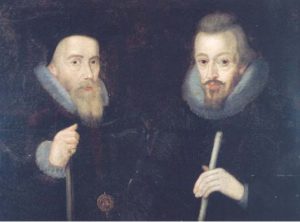
Robert was extremely angry and he began to tighten the laws mercilessly even when the anticipated revolt never took place. He also began to secure a strong peaceful relation with Spain which diffused the situation of upsurges from the Catholic community.
Robert Cecil Gunpowder Plot
The Gunpowder plot was the most extensive scandal of that era. It was rumored that this plot was ingeniously devised by Robert Cecil and his extensive maze of spies. This plot conspired to damage the reputation of the Catholics. Cecil has been accused by many poets and writers of his time through their works, for his role in the plotting of the gunpowder plot.
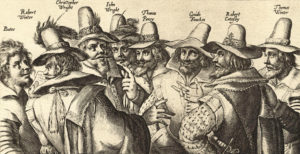
His interference, however, has been proved by some of his incriminating actions such as informing the king about Monteagle’s letters after six days of its arrival; he also doctored many of the important evidence including confessions. However, the planning was not proper and the plot did not affect the well established Catholics by any measure.
How did Robert Cecil Die
Cecil died of an advanced case of scurvy and towards the end of his life, he was in great crippling pain. He died at St. Margaret’s Priory on 24th May. He has been the source of a great many political satires but it cannot be denied that he was an extremely talented politician.
More Info On- Louis Joliet, Robert Dudley