Elizabethan England Life

Life in England during Elizabethan Era
HomeElizabethan Era Life

Elizabethan History
Elizabethan Era Arts
Elizabethan Era Clothing
Elizabethan Daily Life
Elizabethan Era Torture
Elizabethan Weapons
Elizabethan Education
Elizabethan Era Games
Elizabethan Era Map
Elizabethan Marriages
Elizabethan Medicine
Elizabethan Era Music
Elizabethan Occupations
Elizabethan Superstitions
Elizabethan Education
Elizabethan Era Fashion
Elizabethan Times Facts
Elizabethan Family
Elizabethan Times Laws
Elizabethan Era Recipes
Elizabethan Era Religion
Shakespeare Elizabeth
Elizabethan Era Children
Elizabethan Government
Elizabethan Food
Elizabethan Era Theater
Elizabethan Era Women
Elizabethan Age
Elizabethan & Jacobean
Elizabethan Architecture
Elizabethan Astrology
Elizabethan Attitudes
Elizabethan Audiences
Elizabethan Cost Of Living
Elizabethan Courts
Elizabethan Customs
Elizabethan Drinks
Elizabethan Food
Elizabethan Hairstyles
Elizabethan Hygiene
Elizabethan Literature
Elizabethan Money
Elizabethan Names
Elizabethan People
Famous Pirates,Costumes
Elizabethan Travel
Elizabethan Tudor
Victorian Era
Ancient China Life
Edwardian Era
New Articles
Contact UsContact ace_offers at yahoo.co.uk
 
Elizabethan Money

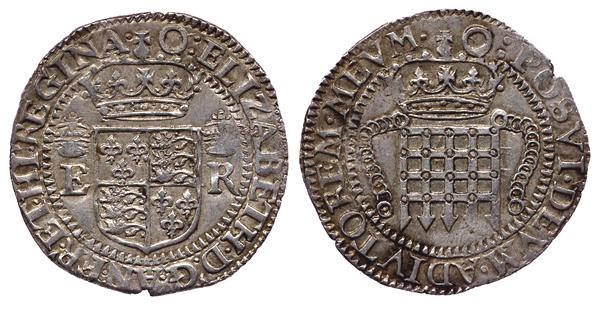
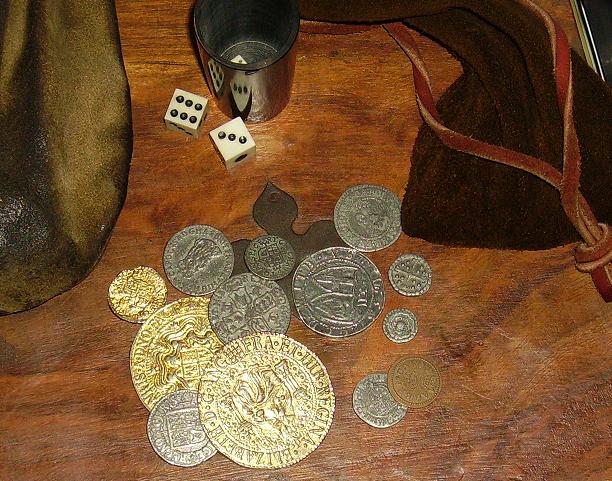
All coins during Elizabethan Era were silver or gold, including the pennies.
Earlier in the past, copper was used to extend (debase) the coinage without actually adding any more silver. But no money was actually minted as a copper coin.
There is no paper money during Elizabethan period.

elizabethan era money

The basic denominations of money/coins was pounds, shillings, and pence.
12 pence used to make a shilling and 20 shillings used to make a pound

In writing, the abbreviations were:

pound was noted as £
shilling was noted as s
penny was noted as d

  • A sovereign was a gold coin worth 1 pound (worth 20 shillings). Although that was the basic monetary unit, there was no coin called a "pound" until 1583.
  • The angel was one of the most common gold coins in circulation. An angel was worth 10 shillings (1/2 pound).
  • The crown was another most common coin in circulation. A crown was worth 5 shillings, and it was issued in both gold and silver.
  • The crown was also equal to a Venetian ducat, a Flemish gelder, or a French êcu (sometimes called a French crown).
  • Half-a-crown was worth 2 shillings 6 pence (sometimes expressed as "2 and 6").
  • The shilling was a silver coin worth 12d.
  • The sixpence was a silver coin worth six pence.
  • A groat was a silver coin worth 4 pence.
  • The penny was a silver coin worth a penny (never a pence).
  • A coin worth 2 pence was called tuppence and a half-penny was called a ha'-penny (not a ha'pence).

elizabethan era money

  • The farthing was a 1/4-penny fragment so tiny as to be impractical, but still in circulation from less inflated times.
  • The guinea did not yet exist, and was minted in the late 17th century.
  • The mark was "money of account". That is, it is a value worth 2/3 of a pound (13s 4d) but there was no coin worth that amount in the 16th century. It was often used in high-level transactions, such as selling land, figuring feudal fines, or calculating dowries.
 

Elizabethan Era England Life: This site gives information on various aspects of life during Elizabethan Times in England.

It covers Elizabethan Costumes/Clothing for men and women, Elizabethian Fashion, Crime, Torture, Theater/Stage, Arts and Culture, Family, Children, Family, Sports/Games, Education, Medicine and many other facts about the Elizabethan Period. Elizabethan Age is considered as a golden Era in English History. There is also information on Famous Pirates, Famous Woman Pirates, Pirate Costumes, Pirate Ships, Famous Explorers and Spanish Armada

Website Design 

My Switzerland Travel - England Travel Guide - Deepika Padukone Wallpapers - Ancient Greece History - Ancient Egyptian Facts - Katrina Kaif Photos - | World Music History | Byzantine Empires history sitemap