
All of the arts flourished under Elizabeth I’s reign, largely due to the Queen’s love for the art. The Elizabethan era was a time associated with Queen Elizabeth I’s reign (1558-1603) and is often considered to be the golden age in English history. It was the height of the English Renaissance and saw the flowering of English poetry, music and literature.
This was also the time during which Elizabethan theatre flourished, and William Shakespeare and many others composed plays that broke free of England’s past style of theatre. Literature during the Elizabethan era also reached new heights.
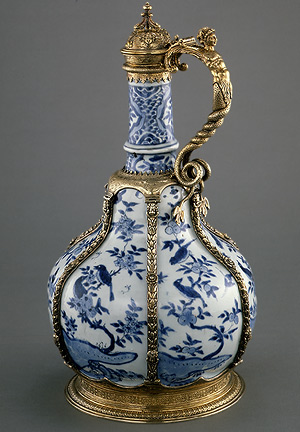
Elizabethan England Literature
Contents
English writers of the period began introducing complicated poetic structures in both verse and prose. The sonnets and plays of William Shakespeare became exceptionally popular in England. Shakespeare’s plays abounded in different forms such as comedies, satires, tragedies, and romances, and included “Romeo and Juliet,” “Hamlet,” “Macbeth,” “Julius Caesar,” and “A Midsummer Night’s Dream.”
As a result, the theatre became a national pastime across social classes in England. In addition to Shakespeare, playwrights Christopher Marlowe and Ben Jonson flourished during this era. Marlowe was known for his magnificent blank verse, his overreaching protagonists, and his own untimely death.
Jonson was a dramatist, poet and actor, best known for his plays “Volpone” and “The Alchemist,” his lyrics, his influence on Jacobean and Caroline poets, his theory of humour, his contentious personality, and his friendship and rivalry with Shakespeare.
Apart from plays, poetry and prose also started to be viewed and written in new styles and refined manner. Shakespeare’s sonnets are as brilliant as his plays. Francis Bacon’s essays are one of the earliest specimens of essays being written on a plethora of subjects.
Elizabethan Era Art and Architecture
What kind of art did Elizabethan enjoy?
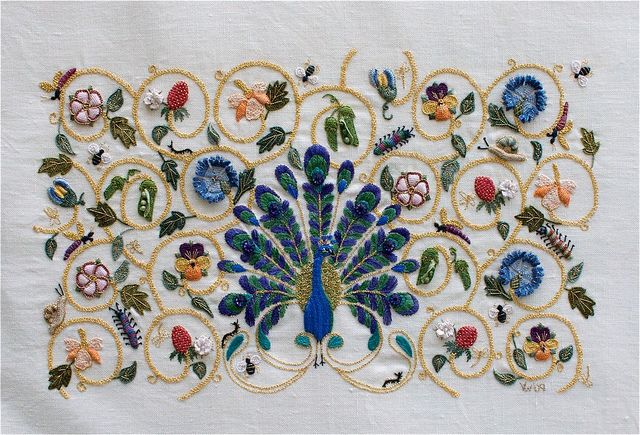
During Elizabethan era, painting was dominated by portraiture, particularly in the form of miniatures, while elaborate textiles and embroidery prevailed in the decorative arts, and sculpture found its place within the confines of the tomb and architectural decoration. Additionally, some of the most famous Elizabethan works of art are miniature paintings.
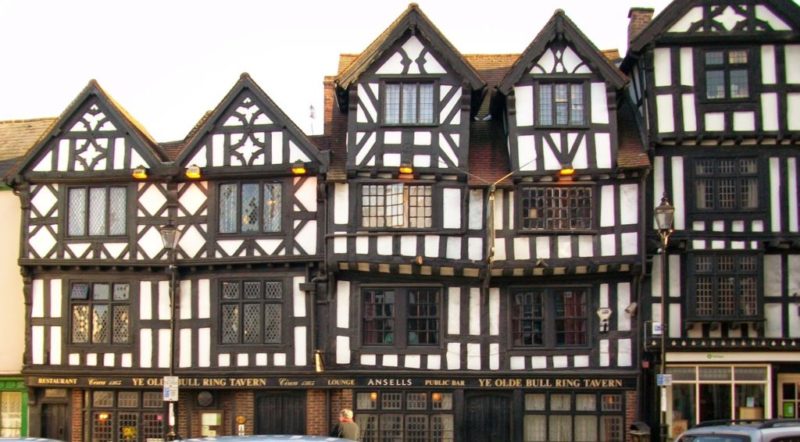
Miniatures came from the tradition of illuminated manuscripts and from Renaissance portrait medals, a revived classical form. The architecture of the Elizabethan period became an expression of wealth and status. Symmetry and ornateness characterized the style of the English Renaissance, with tall houses and towers, for example, accented by elaborate gardens and stables.
Did Queen Elizabeth support the art?
Queen Elizabeth I was one of the greatest patrons of art and architecture in England. It was during her rule that England’s art and literature flourished and brought about the Renaissance. The queen herself was proficient in various kinds of arts, music and dancing.’
She was efficient in multiple languages as well as mathematics and classical studies. Elizabeth, therefore, valued real art and allowed it to grow and flourish in her state.
What form of fine art is the Elizabethan era most famous for?
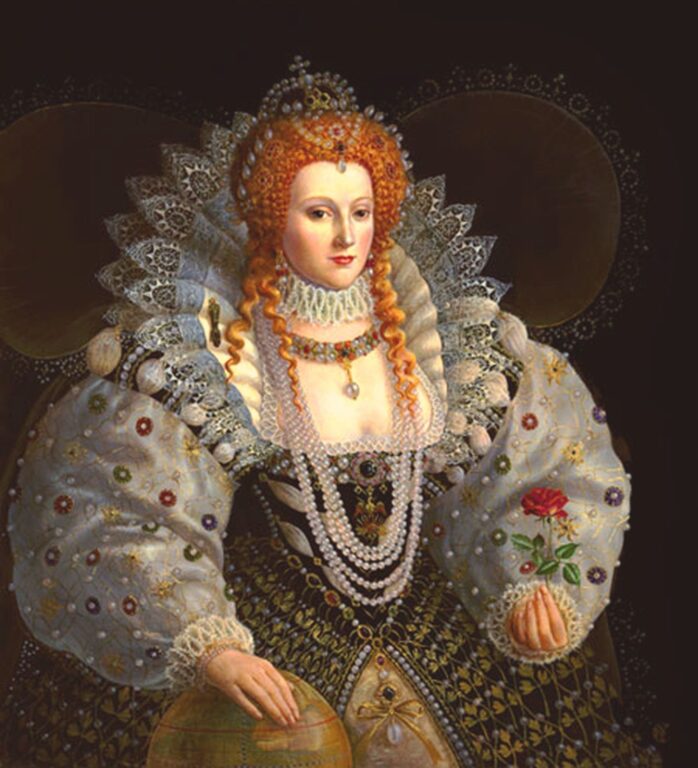
Painting, especially the art of portraiture became the most famous in England among the monarchs and the nobility. Again, the queen herself was greatly interested in making her own portraits. Many paintings, depicting the queen in great elegance and stylized poses were made in her era.
Often many highly skilled artists remained anonymous and most of them today, are believed to be women.
Elizabethan Renaissance Architecture
The first specimen of Renaissance-style architecture in England was Hampton Court. The gothic style of architecture during the Elizabethan era was blended into the pre-existing style and the Renaissance style came into being. The Hampton Court was built by Cardinal Wolsey.
Later, the style shifted again from the gothic style to a plainer one with more symmetry. Symmetry became a feature of both architecture and the way gardens were set up. More emphasis was put on horizontal rather than vertical lines.
The Renaissance style of architecture also came to include the Renaissance fascination with astrology and featured huge, ornamental clocks in the courts and building. Stones and expensive materials started to be used instead of medieval rushes to make the floors and roofs.
Elizabethan painters
Some of the famous portrait artists in the Elizabethan era were Nicholas Hilliard, Lucas Horenbout and Marcus Gheeraerts II. There were other famous artists who came from other countries such as Petrus Christus and Hans Memling who were from the Netherlands.
Art in the Elizabethan Era
The Elizabethan style followed the Tudor style. In the decorative arts, demand for domestic silver significantly increased during the mid-sixteenth century because of rapid growth in population and subsequent expansion of the middle and upper classes.
Music of this period became increasingly expressive and refined, and a knowledge and appreciation of music set apart the truly genteel members of the high social classes. In addition, court musicians gradually moved into their own music houses and guilds.
Several different instruments became popular during the Elizabethan era, including the lute (a forerunner of the guitar or cello), viol (predecessor to the violin), spinet (a piano-like instrument), bagpipe, fife and cornet (a short trumpet).
Elizabethan Portrait Artists
Furthermore, various artists such as Hilliard, Gheeraerts, Robert Peake the Elder, John de Critz, and George Gower received commissions from the Crown. These artists made large-scale, full-length paintings that portrayed the noble class in richly decorative costumes with armour, embroidery, ruffs, hunting gear, weapons, and lace. This artificial and decorative style became characteristic of Elizabethan painting and art in general.
Elizabethan Crafts
Apart from portraits, painters were also commissioned to make paintings of castles, ships and battles. They were also hired to paint beautiful walls and ceilings. Although Elizabethan art is now considered flat, they were considered of high value in those times.
It was also the time when art and crafts became available to the middle class to some extent. Previously, only the rich upper classes to hire artists to make their painting. Now the middle classes could also obtain some painting and craft works for themselves. It can thus be said that art was liberated to some extent.
More Info On- Elizabethan Musical Instruments, Art, Literature, Architecture, Artwork