
Queen Elizabeth I was born in 1533 in the Greenwich Palace as the daughter to King Henry VIII and Anne Boleyn. However, within a couple of years of Elizabeth’s birth her mother, Anne was executed and she was declared as an illegitimate child. Elizabeth I in Elizabeth I was the last monarch of the Tudor dynasty.
Influence of Katharine Parr
Katharine Parr, the sixth and the last wife of King Henry VIII, was a person who had tremendous impact on Elizabeth’s life. Katharine believed in the institution of education and religious reforms and was a very devoted step-mother to the little siblings. Katharine influenced Edward and Elizabeth more than Mary who was younger to Elizabeth by four years.
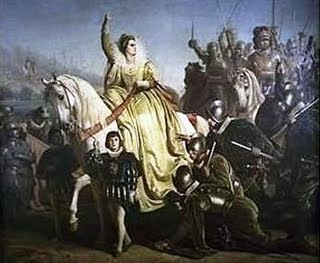
Katharine gave the early education to young Elizabeth in Latin and ‘taught her the code of politeness to the elders’. It was Katharine who had arranged for the best tutors to educate young Elizabeth and foremost among the tutors was Roger Ascham.
By obtaining knowledge from such intellectual tutors, Elizabeth soon was as educated as any prince. Elizabeth’s love for scholarship made her an exception in the society where, during those times, women were considered to be inferior to men.
Apart from subjects like language, philosophy, history, Elizabeth also obtained education in theology. She was taught by those eminent tutors who were the believers of Protestant. As a result, both Elizabeth and Edward were brought up as Protestant during their crucial years of life. Roger Ascham believed that the appropriate upbringing of a child can be seen in his table manners.
Education System During Elizabethan Era
It was said that the children of the 16th century, especially the one’s coming from aristocratic families were introduced to the formalities of the adult world. In her adolescent years, Elizabeth was thought be a serious woman who would always carry a book with her. This however was not true and the details of her household account show how lively and she was and also portray the love for entertainment.
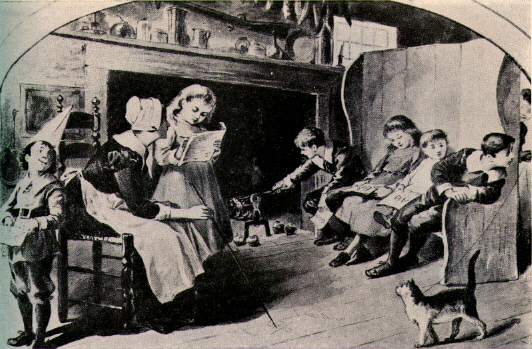
The dedication that young Elizabeth showed towards learning was clear from the fact that by the time she was five or six years old, she had confidently grasped the English language. Around the same time, Elizabeth was also getting education in Latin. Under the training of Ascham, Elizabeth was tutored in the art of writing in the Italic hand.
Facts About Education of Queen Elizabeth
It is said that by the time Elizabeth was six, she was so skilled in the art of writing that her handwriting was regarded as ‘supremely elegant’ particularly in the Latin and Greek inscriptions. Elizabeth was also known to have asked for assistance from Edward’s tutors. Elizabeth would spend her afternoon time reading and studying.
Around 1544, Elizabeth was tutored by William Grindal in Latin and Greek and was benefited from his attentive training. The Consolation of Philosophy was a part of Elizabeth’s education as reading of Boethius was read very often since the second half of the fifteenth century. The fact that Elizabeth translated Boethius’s Consolation in a short duration speaks volumes of her command and fluency on the Latin language.
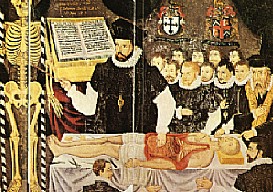
Thus, education had played an important role in making Elizabeth believe in Protestant cause. Also, her last step-mother, Katharine Parr is to be credited to have influenced and encouraged young Elizabeth to obtain education and be at par with other learned princes.
More Info On- Elizabethan Era Religion and Religious Beliefs, Education in Elizabethan England, Education in Elizabethan Times