
Different Kinds of Elizabethan Era Torture
Torture, as far as crime and punishment are concerned, is the employment of physical or mental pain and suffering to extract information or, in most cases, a confession from a person accused of a crime.
While torture seems barbaric, it was used during the Golden Age, what many consider to be that time in history when Elizabeth I sat on the throne and England enjoyed a peaceful and progressive period, and is still used in some cultures today.
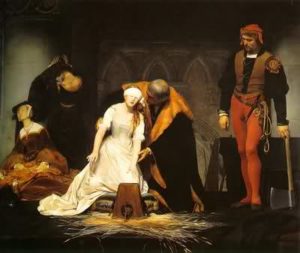
Elizabethan Era Torture Methods
During the reign of Elizabeth I, the most common means of Elizabethan era torture included stretching, burning, beating, and drowning (or at least suffocating the person with water). Torture at that time was used to punish a person for his crimes, intimidate him and the group to which he belongs, gather information, and/or obtain a confession.
Torture succeeded in breaking the will of and dehumanizing the prisoner, and justice during the Elizabethan era was served with the aid of this practice. In fact, it was said that Elizabeth I used torture more than any other monarchs in England’s history.
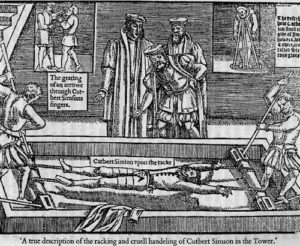
During the Elizabethan era, treason was considered as the worst crime a person could ever commit. Consequently, it was at cases of high treason when torture was strictly and heavily employed. Other heinous crimes – including robbery, rape, and manslaughter – also warranted the use of torture.
The degree of torture that was applied was in accordance with the degree of the crime. Reportedly, women suffered from torture only rarely and lords and high officials were exempted from the act.
Elizabethan Era Crime and Punishment Essay
There were different ways with which to perform torture upon a prisoner, all of which are humiliating and painful. Boiling a prisoner to death was called for when the crime committed was poisoning. Cutting off the right hand, as well as plucking out eyes with hot pinchers and tearing off fingers in some cases, was the punishment for stealing. Mutilation and branding were also popular or standard means of torture.
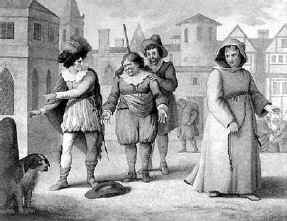
The pillory, a T-shaped wooden frame in which the prisoner placed his hands on the crossbars and his head at the top, sticking out on a hole, was an infamous tool for inflicting torture. The pillory was often placed in a public square, and the prisoner had to endure not only long hours on it, but also the menacing glares and other harassments, such as stoning, from the passersby.
Different Kinds of Elizabethan Era Torture
The dunking stool, another tool for inflicting torture, was used in punishing a woman accused of adultery. The prisoner would be placed on the stool and dunked under water several times until pronounced dead.
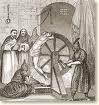
A prisoner accused of robbery, rape, or manslaughter was punished by trapping him in cages that were hung up at public squares. Again, people’s jeers, taunts, and other harassments added to his suffering. He was only taken down when the loss of his strength became apparent, quartered, and pronounced dead.
All throughout the period, Elizabethan era torture was regularly practiced and as a result, the people were tamed and afraid and crimes were low in number.
More Info On- Elizabethan Lower Class versus Upper Class, Cost of Lliving